


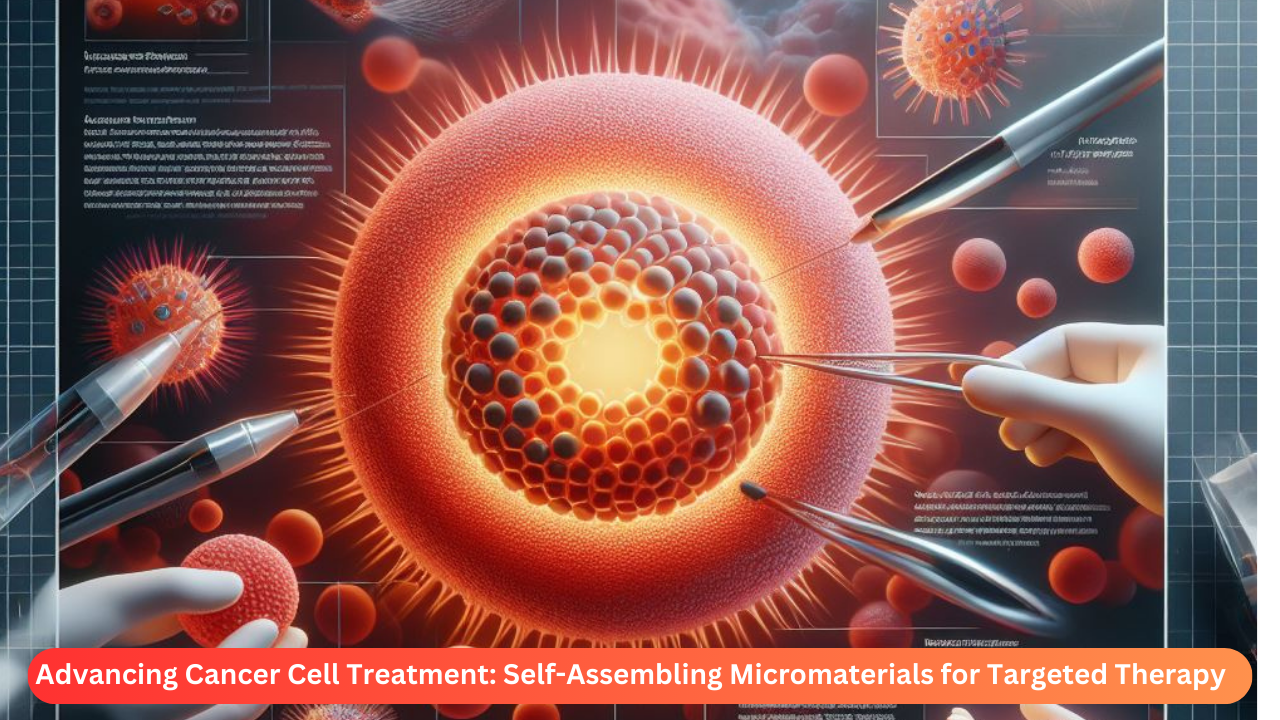
Advancing Cancer Cell Treatment: Self-Assembling Micromaterials for Targeted Therapy
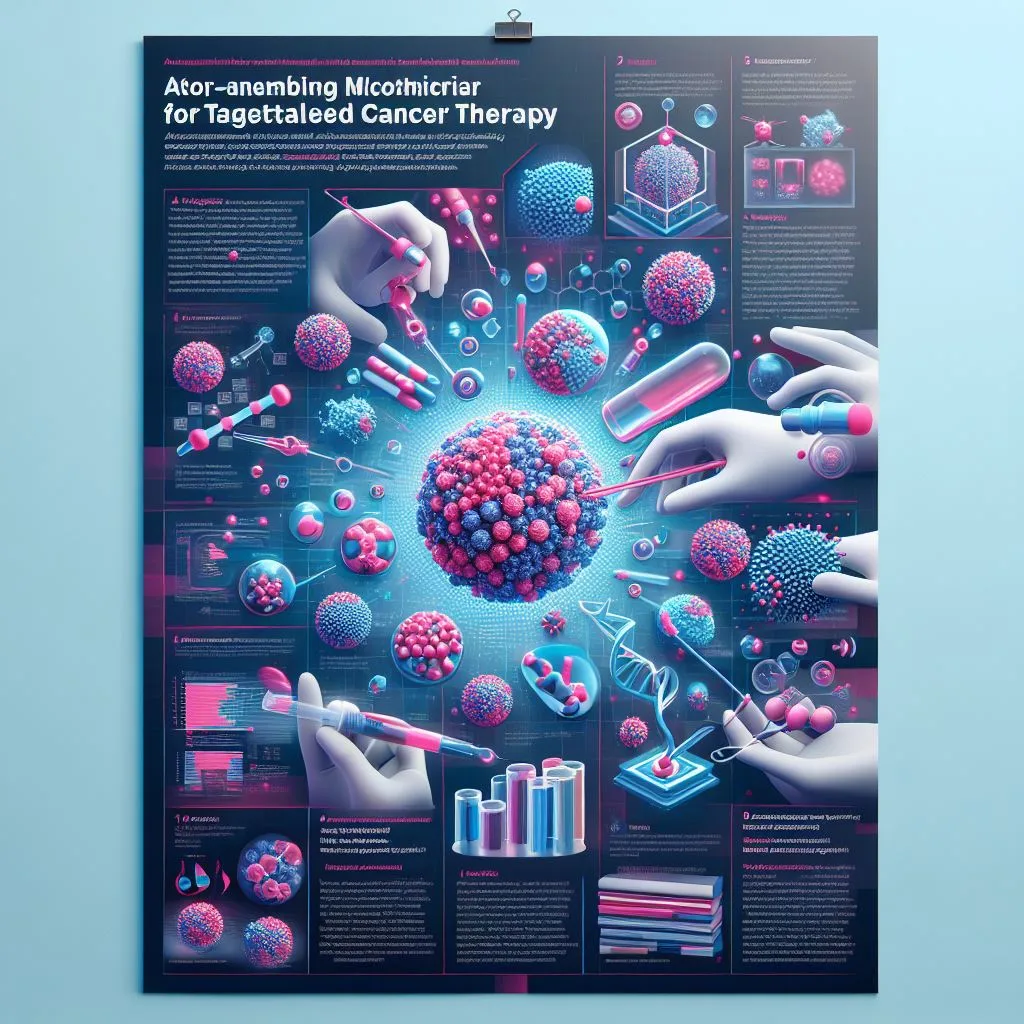
Introduction
Cancer remains a formidable adversary, affecting millions of lives worldwide. While significant progress has been made in understanding cancer biology and developing therapeutic interventions, the quest for more effective and less invasive treatments continues. In recent years, researchers have turned their attention to a groundbreaking area of study: self-assembling micromaterials for targeted cancer therapy. This innovative approach holds immense promise, even in its early stages.
The Challenge of Drug Delivery for Cancer Cell Treatment
Traditional cancer treatments often involve the systemic administration of chemotherapy drugs. However, this approach has limitations. The drugs can harm healthy tissues, leading to severe side effects. Moreover, their efficacy is compromised due to poor transport efficiency and inadequate accumulation at tumour sites. The tumour microenvironment, characterized by stromal tissues and acidic conditions, poses additional challenges.
Enter Self-Assembling Micromaterials
Self-assembling micromaterials represent a paradigm shift in cancer cell therapy. These tiny structures, designed to respond to specific cues within the tumour microenvironment, offer several advantages:
- Efficient Blood Circulation: Micromaterials are engineered to circulate as small particles in the bloodstream, avoiding premature elimination.
- Targeted Penetration: Once in the tumour vicinity, they self-assemble into larger aggregates, enhancing transport efficiency and penetration through stromal tissues.
- Selective Action: These micromaterials respond to the tumour’s acidic environment, triggering self-assembly on cancer cell surfaces.
- Cell Membrane Disruption: The assembled micromaterials disrupt cancer cell membranes, leading to cell death.
Key Studies and Findings for Cancer Cell Treatment
1. Molecular Blocks (MBs)
Researchers have explored the use of molecular blocks (MBs) for cancer therapy. These MBs exhibit three critical characteristics:
- Circulation: They remain as nano-scale particles in the bloodstream, avoiding elimination.
- Self-Assembly: In response to the tumour microenvironment, they aggregate into micrometre-sized particles.
- Cell Membrane Disruption: The MBs disrupt cancer cell membranes, leading to cell death.
Deoxycholic acid (DCA), with a suitable pKa of 6.6, serves as the cancer microenvironment-responsive unit. In preclinical experiments, DCA-conjugated 4-arm poly(ethylene glycol) (4-MB) demonstrated efficient accumulation in tumours and significant cytotoxicity.
2. Au-DNA Complexes
In situ, self-assembling bio-synthetic fluorescent gold nanocluster-DNA (GNC-DNA) complexes have been investigated for targeted cancer theranostics. These complexes take advantage of the unique cancer microenvironment. By forming in situ, they enhance both safety and specificity in cancer treatment.
3. Protein-Based Micromaterials
Researchers at the Universitat Autònoma de Barcelona have developed micromaterials composed solely of proteins. These micromaterials release nanoparticles over an extended period, specifically targeting cancer cells. The protein-based approach offers a promising avenue for sustained drug delivery.
4. Au-miRNAs for Theranostics
Au-miRNA nanoclusters (Au-miRNA NCs) self-assemble and precisely target cancer cells. Combining gene therapy with photo-thermotherapy (PTT) using Au-miRNA NCs shows improved anti-tumor effects. This approach holds the potential for safe miRNA delivery.
5. Small Organic Molecules
Small organic molecules self-assemble for cancer imaging and targeted therapy. Their advantages include all-in-one capacity, longer retention, overcoming drug resistance, and improved therapeutic performance.
Clinical Implications
While these studies are still in their infancy, their impact cannot be overstated. Oncologists eagerly await clinical trials to validate the efficacy and safety of self-assembling micromaterials. If successful, these innovations could revolutionize cancer treatment, minimizing side effects and maximizing therapeutic outcomes.
In conclusion, self-assembling micromaterials represent a beacon of hope in the fight against cancer. As researchers continue to unravel their potential, patients and doctors alike anticipate a brighter future—one where precision medicine meets self-assembly.
Disclaimer: The information provided in this article is based on current research and should not replace professional medical advice. Always consult your healthcare provider for personalized guidance.
More Interesting Articles
Passive Smoking and Heart Rhythm Disorder: Unveiling the Hidden Threat
Unlocking the Fountain of Youth: Tardigrade Proteins and Their Anti-Aging
The Nine Remarkable Benefits of Avocado fruit: A Nutritional Powerhouse
Advanced Eye Care – Debunking Common Eye Care Myths: Separating Fact from Fiction
6 signs of heart attack a month before
Average steps per day- Unlocking the Power of Steps: How Walking Can Transform Your Health
Nutrient Dense foods- Understanding Vitamin D: The Sunshine
The Healing Elixir – Lukewarm Water: Eight Benefits of Drinking Lukewarm Water Every
Nicotine Free Vape vs. Vaping vs. Smoking: Unraveling the Health Conundrum
Yes ! Feeding Your Mind: The MIND Diet’s Recipe for Brain Health
Does Intermittent Fasting 16/8 Raise the Risk of Heart Disease-Related Death?
The Reckless Overuse of Antibiotics: A Worldwide Health Emergency
Deaths Linked to pregabalin side effects Have Surged in The UK
The Hidden Dangers of Ultra Processed Foods list: A Wake-Up Call for Our Health
The Benefits of Eating Raw Onion: A Nutritional Powerhouse
Healthy Diet Menu -The Foundation: A Heart-Healthy Diet
International Women’s Day 2024- 7 Critical Health Concerns Every Woman Should Prioritize
Unlocking Heart Health: Discovering Hope “can atrial fibrillation be cured”- A Holistic Approach
India’s Public Health Quandary: Balancing Prosperity and Wellness
The Future of Food Allergy Management: New Technologies and Treatments
Huge Genome Study Addresses Race Analysis Concerns and Expands Global Insights
Dhyanabindu Upanishad- Journey Towards Spiritual Enlightenment: A Comprehensive Commentary
Discover more from News 24 Media
Subscribe to get the latest posts sent to your email.